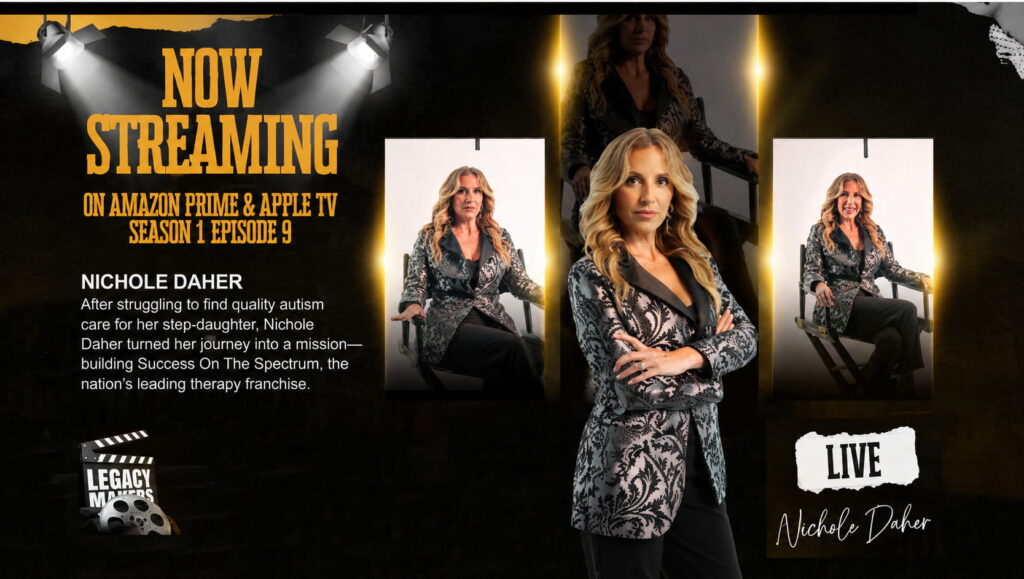


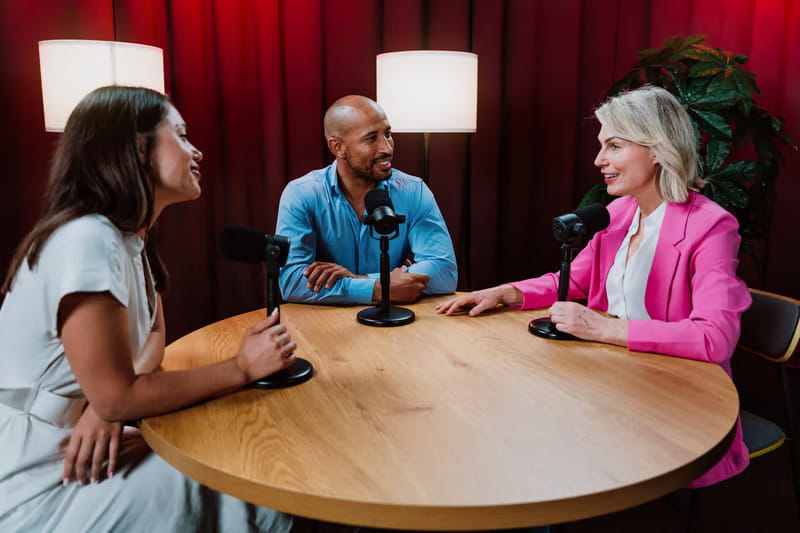
Summary: Nichole Daher, founder and CEO of Success On The Spectrum, appeared on The Cobra Kai Pawncast to discuss autism awareness, ABA therapy, insurance coverage, and the operating model behind the first ABA franchise system in the United States. Hosted by Matt Borlenghi and Drew Raskin, the conversation connected a familiar Cobra Kai idea with Daher’s work: the right mentor can completely change a child’s future.
The Cobra Kai theme fits the Success On The Spectrum story. ABA therapy teaches life skills through patience, practice, repetition, and confidence building. Just like in Cobra Kai, the right mentor can completely change a child’s future. We teach life skills the same way martial arts teaches confidence: one small victory at a time. For families seeking services, those victories may include clearer communication, stronger daily routines, improved regulation, or greater independence.
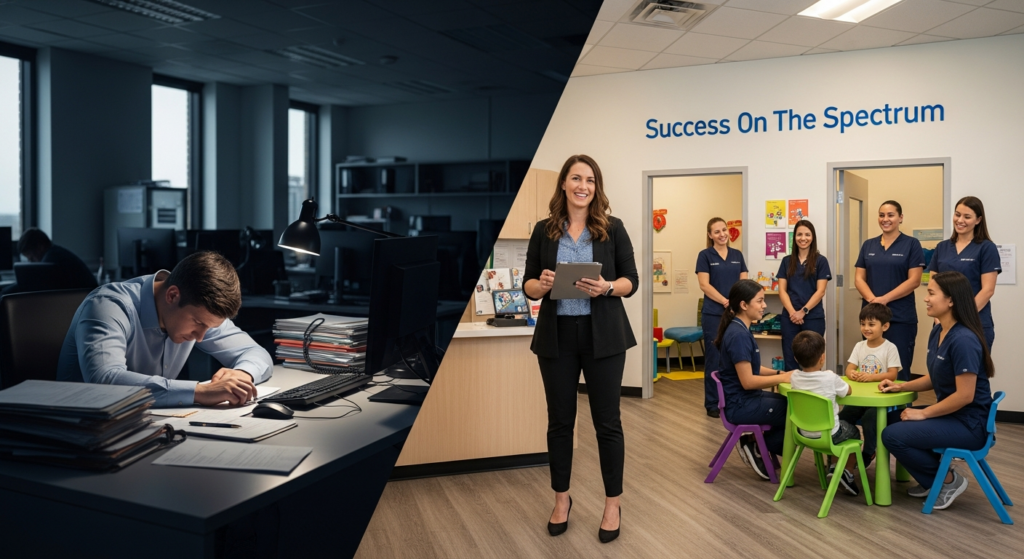
The interview also gave prospective franchise owners a useful look at the SOS model. SOS is designed for hands-on owner-operators who want to run a healthcare business without becoming clinicians. Owners lead operations, staffing, payroll, local outreach, and business management. Licensed professionals deliver therapy, supervise care, and make clinical decisions. That separation is central to the brand.
Daher’s path into autism services began through family caregiving. After marrying her first husband in 2011, she became the primary caregiver for her step daughter, who has autism. She entered that role without a clinical background, so she began learning practical parent training strategies for teaching daily life skills.
One moment from the interview stands out. Her step-daughter explained that verbal instructions were difficult for her to process. That experience helped Daher understand why many children need individualized teaching rather than a one-size-fits-all classroom approach.
When Daher struggled to find ABA services with reasonable availability, she opened her first clinic in Texas at age 29. That first center later became the foundation for what would become the first ABA franchise in the United States.It grew from a caregiver’s direct experience with families, systems, and the need for more structured support.
During the podcast, Daher discussed the growing number of children identified with autism in the United States. CDC data estimates that about 1 in 31 children has been identified with autism spectrum disorder. As more families seek services, ABA clinic availability has not kept pace in many areas.
The issue looks different depending on geography. In larger metro areas, families may face long waitlists. In smaller towns or rural areas, there may be very few nearby options. That gap creates both an opportunity and a responsibility for investors evaluating the best ABA therapy franchise opportunities.
A strong ABA business cannot be built on demand alone. It requires qualified teams, payer readiness, careful documentation, family communication, and consistent leadership. This is why SOS speaks to entrepreneurs who want meaningful ownership, not passive investment.
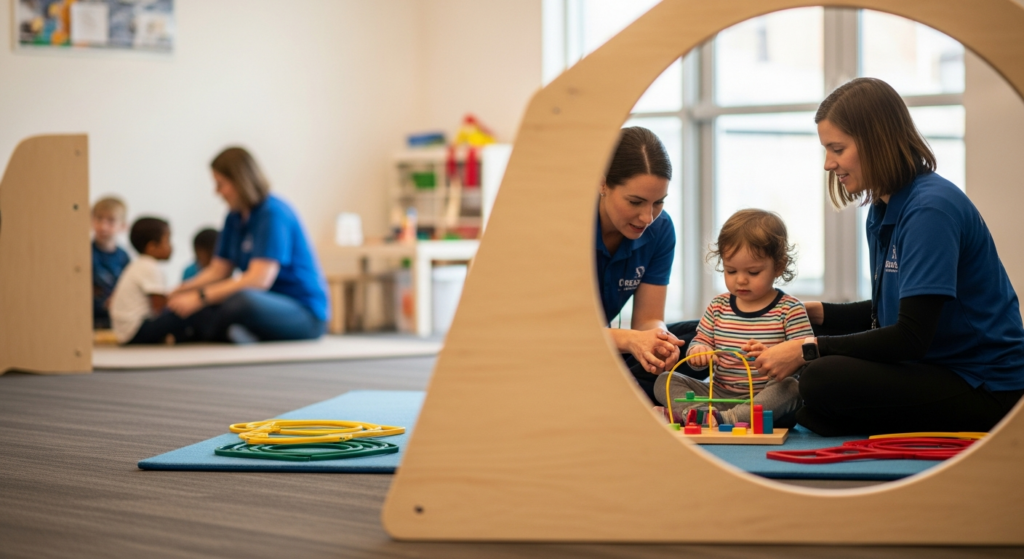
ABA therapy focuses on practical skill development. It can support communication, behavioral regulation, social interaction, and functional life skills. The approach is individualized, which means treatment plans are built around how each child learns and what goals matter most for that child.
Daher’s podcast comments emphasized why this matters for children who may struggle in group-learning environments. Traditional classrooms often depend on verbal directions, shared pacing, and group instruction. Some autistic children need more direct teaching, frequent reinforcement, and one-on-one support.
In that sense, ABA therapy has something in common with martial arts. In both martial arts and autism therapy, progress happens through patience, practice, and believing in people. A child may not master a skill immediately, but steady practice can build confidence over time.
The podcast addressed several barriers families may face when trying to secure care.
| Autism Service Challenge | Impact on Families |
|---|---|
| Rising autism diagnosis rates | More families seeking ABA therapy |
| Long waitlists | Delayed start to services |
| Rural clinic scarcity | Limited nearby options outside major cities |
| Workforce limitations | Fewer available credentialed specialists |
| Group-learning environments | Less individualized support for some children |
Daher stated that many children who need ABA therapy cannot consistently receive it. She also discussed how timing matters. Early support can help children develop communication, independence, and functional skills during important developmental years.
The takeaway for franchise owners is clear. Families are not looking for a generic service. They are looking for consistent, well-managed care delivered by trained teams. Owners who enter this field must understand the human weight behind the business model.
The interview also touched on insurance coverage. ABA therapy is commonly treated as medically necessary when payer requirements, authorization rules, and treatment documentation are met. Many families use commercial insurance, Medicaid, or state-funded plans to help pay for services.
This creates a different business environment than many consumer-service franchises. Owners must understand credentialing, authorizations, claims submission, documentation, and payer timelines. Insurance workflows are not side tasks. They are part of how an ABA clinic functions financially and operationally.
SOS supports franchisees with training and guidance in these areas, but reimbursement outcomes can vary by payer, market, plan type, documentation, and execution. That careful distinction protects the brand and helps candidates understand ownership realistically.
SOS is built as a hands-on owner-operator model. Our franchise owners are kind of like senseis but for autism therapy centers. They do not provide clinical care, but they lead the environment where teams can work well.
The structure separates business management from therapy delivery.
| How The Franchise Structure Works | Franchise Owner Responsibilities | Clinical Team Responsibilities |
|---|---|---|
| Operations management | Payroll and bookkeeping | Patient assessments |
| Staffing and hiring | Staff management | Therapy programming |
| Local marketing and outreach | Insurance coordination | Behavioral evaluations |
| Quality and brand standards | Scheduling and administration | Clinical care delivery |
SOS support includes guidance around LLC formation, licensing steps, payroll systems, hiring, billing workflows, marketing, compliance standards, and training. About 25% of SOS franchisees are autism parents, while many others come from corporate, education, veteran, or business backgrounds.
At SOS Franchising, we’re building confidence in kids while also helping entrepreneurs build meaningful businesses.
SOS ownership is designed for people who want to be present in the business. This is not a hands-off investment. They are financially prepared, organized, coachable, and ready to lead people.
Local ownership matters because culture is built inside the clinic every day. Team morale, caregiver communication, service consistency, and brand standards all depend on leadership. The owner does not need to be a therapist, but they do need to take the CEO role seriously.
The coolest part of franchising is watching ordinary people become confident business owners. For SOS, that transformation is meaningful because it happens inside a business that serves children and families.
Franchise candidates need financial readiness before opening an ABA clinic. Startup costs, staffing, licensing, training, working capital, insurance processes, and local operations all require planning.
SOS supports candidates through operational planning, funding preparation, compliance guidance, FDD transparency, and lender introductions. That support helps candidates pursue financing responsibly, but funding is not guaranteed. Candidates must review the Franchise Disclosure Document and evaluate the investment with professional guidance.
Expansion should also be approached with discipline. A strong first clinic creates the foundation for future growth. The goal is not speed for its own sake. The goal is to build stable local operations that can support staff, families, and long-term service quality.
Nichole Daher’s Cobra Kai Pawncast interview offered more than a founder story. It explained why ABA therapy matters, why families often struggle to find consistent services, and how SOS created a franchise model for non-clinical owners who want to lead responsibly.
The key takeaway is simple. SOS gives mission-driven entrepreneurs a framework for operating ABA therapy centers while licensed professionals manage care. With the right owner, the right team, and strong systems, business leadership and clinical integrity can work together. It also reinforces a practical truth for candidates: purpose matters, but the clinic still has to be managed like a serious healthcare business, with clear systems, accountable leadership, and respect for the clinical professionals serving children every day inside each center and across the wider network.
1. What is the best ABA therapy franchise for investors?
The best ABA therapy franchise depends on factors such as startup costs, franchise support, scalability, brand reputation, and whether the business model aligns with your investment goals.
2. How much does it cost to open an ABA therapy franchise?
The cost of opening an ABA therapy franchise varies based on franchise fees, clinic setup, staffing, licensing, and location. Investors should evaluate both upfront and ongoing operational costs.
3. Can a non-clinician invest in an ABA therapy franchise?
Yes. Many ABA franchise opportunities are designed for entrepreneurs and investors without clinical backgrounds, provided licensed professionals oversee patient care and clinical services.
4. Is an ABA therapy franchise a profitable business opportunity?
ABA therapy franchises can offer strong growth potential due to increasing demand for autism services, but profitability depends on efficient operations, staffing, reimbursement structures, and franchise support.
5. Why are ABA therapy franchises growing rapidly?
Growing autism awareness, earlier diagnoses, and increased demand for evidence-based autism treatment have created strong demand for ABA therapy centers across the United States.

Nichole Daher is an American entrepreneur, book author, autism advocate, and founder of Success On The Spectrum (SOS)-the first autism treatment franchise in the United States-known for its parent viewing rooms and quality-driven ABA services. She currently serves as CEO of SOS Franchising, where she provides support, resources, and opportunities for entrepreneurs to open their own Success On The Spectrum autism centers.