

Summary: Autism care is expanding, but the pressure isn’t just on access. It’s on structure. As diagnoses rise and investment increases, the way autism services grow is starting to matter as much as where they grow. This piece looks at why ownership models are under scrutiny, how local leadership affects care quality and workforce stability, and where franchisors fit into that equation. Using insights from Nichole Daher’s panel at the Autism Investor Summit West, it explores a model that combines local accountability with shared systems, aiming for growth that holds up over time.
Autism care in the U.S. is changing fast. Diagnoses are rising. Families are looking for help earlier. Providers are under pressure to serve more children without stretching teams too thin.
At the same time, more attention and money are moving into space. That combination has made one question unavoidable: how do autism services grow without losing the things families and clinicians rely on most? That question is exactly what the Autism Investor Summit West is putting on the table this year.
Autism services don’t live in a single box anymore. They touch healthcare systems, family life, education, and workforce realities all at once. Over the last few years, they’ve also become part of a broader growth and investment discussion. That overlap is where things start to get complicated.
When one part of the system moves faster than the rest, pressure builds. Families feel it first. Clinicians feel it next.
More children are being identified with autism across the country. The CDC now estimates that about 1 in 31 children aged eight has autism spectrum disorder. That number didn’t jump overnight. It reflects better screening, earlier evaluations, and more parents actively looking for answers and support.
For many of those families, ABA therapy is a core part of care. It’s widely used, evidence-based, and often recommended early. But access depends heavily on location. In some areas, families wait months to start services. In others, clinics limit enrollment because they can’t staff fast enough. The need is there. The system isn’t always ready.
As demand has grown, so has investor attention. The autism spectrum disorder treatment market is expected to more than double between 2026 and 2034, reaching nearly $19 billion. That growth reflects real gaps in care, but it also highlights how fragmented the landscape still is.
Capital can help expand services. It can also create new risks when growth outpaces structure. Opening centers is one thing. Supporting teams, maintaining standards, and staying connected to families is another. That tension has put ownership models under the microscope. It’s also why franchisors have become part of the conversation around how autism care should scale.
The Autism Investor Summit West isn’t a headline-driven event. It exists because the autism services space is changing fast, and the people shaping that change need to talk to each other in real terms. Operators, clinicians, investors, and policymakers don’t usually sit at the same table. This summit forces that conversation.
The Autism Investor Summit West will take place in Scottsdale, Arizona, from May 13–15, 2026. It draws a national audience. Providers who run clinics. Investors trying to understand the space beyond spreadsheets. Clinicians who see the impact of growth decisions every day. Advocates who care about what happens after the deal closes.
What separates this event from traditional investment conferences is tone. The focus isn’t short-term upside. It’s how autism services actually hold up over time.
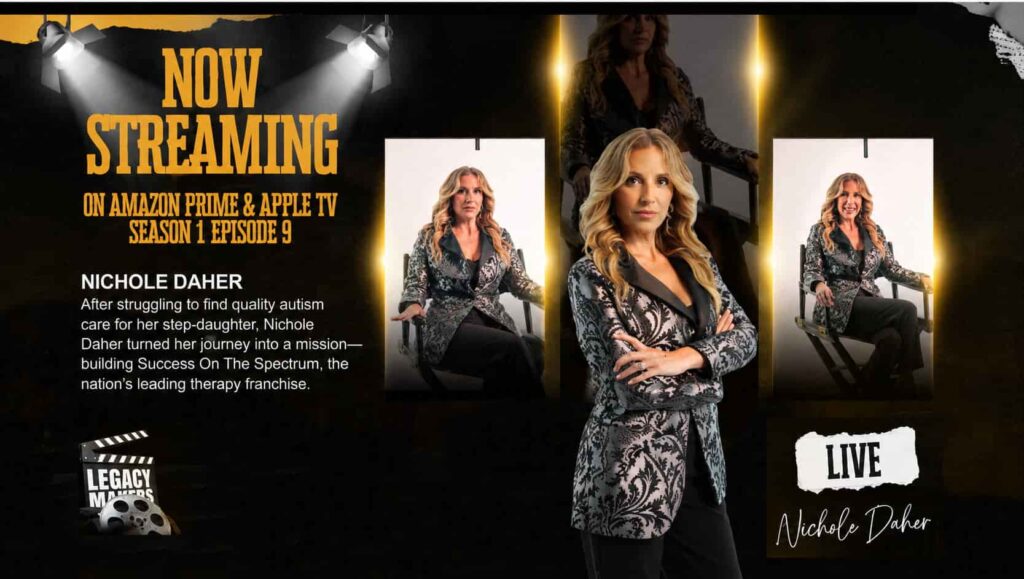
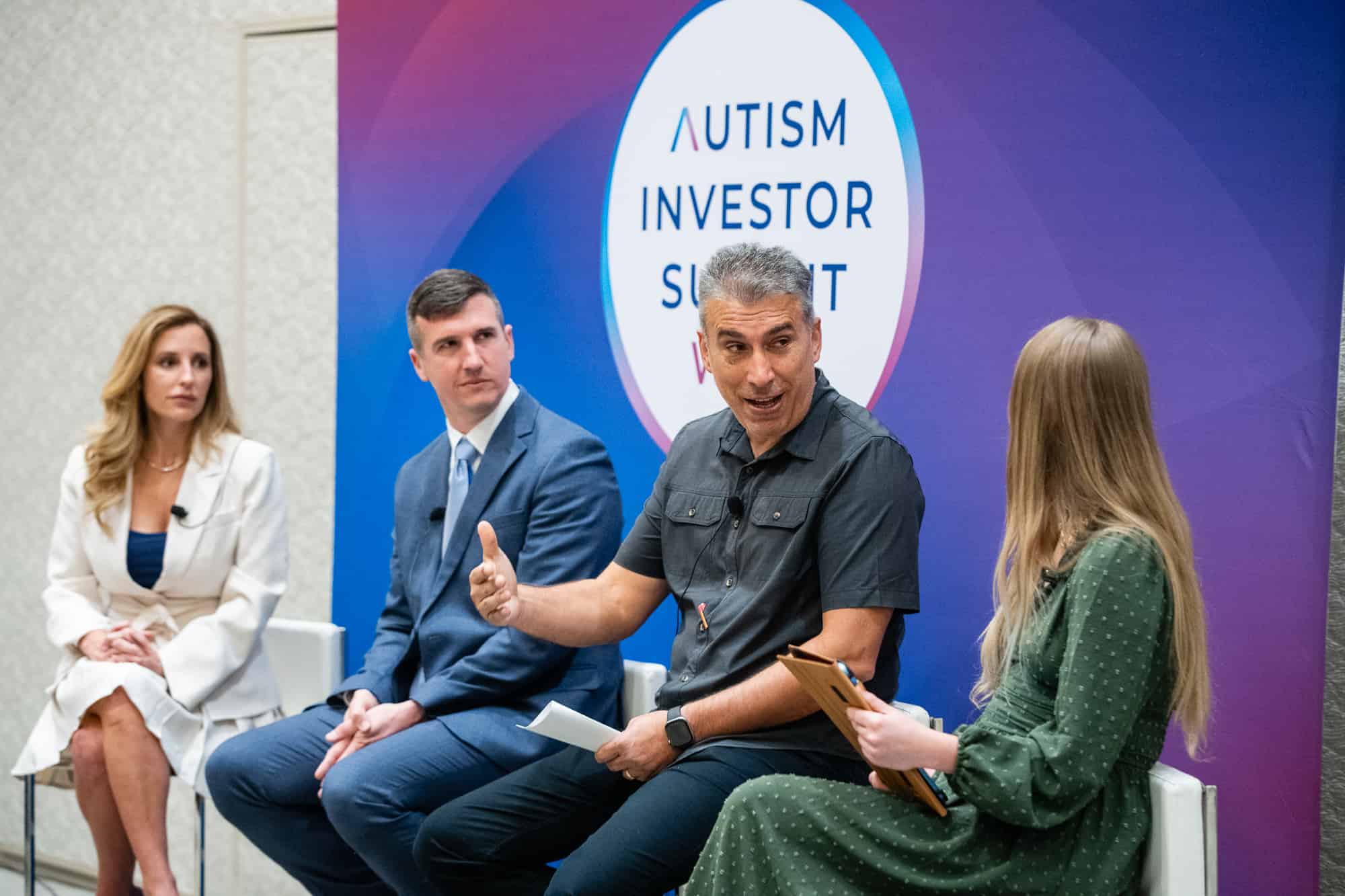
Nichole Daher will take part in a panel titled “Is Local Ownership the Answer? The Role of Franchisors in Autism Therapy.” The discussion looks closely at how ownership models affect daily realities inside clinics.
This isn’t an abstract debate. It’s about staffing stability. Parent communication. Decision-making authority. It’s about what changes when ownership is local, and what changes when it isn’t. The session reflects questions families and clinicians are already asking, whether they’re on a panel or not.
Autism services are expanding, but the path forward isn’t obvious. Growth has brought access in some areas and strain in others. That’s why conversations have shifted.
People are asking whether care can scale without becoming distant. Whether capital can support care instead of reshaping it. Whether local leadership still has a place in a system under pressure to grow. These questions are shaping decisions being made right now across the country.
Growth in autism therapy has accelerated. In many markets, it has happened quickly. Sometimes too quickly.
Private equity firms and large healthcare groups have acquired hundreds of autism therapy centers nationwide. This consolidation reflects confidence in long-term demand. It also reflects the belief that scale brings efficiency. But scale without structure can strain systems. Families notice when staff turnover increases. Clinicians feel pressure when productivity expectations rise. Communities feel disconnected when leadership is distant.
None of this means growth is inherently wrong. It means growth needs guardrails.
Autism therapy is not interchangeable. Families are not choosing a product. They are choosing people. They are choosing consistency. They are choosing trust. When expansion outpaces operational systems, quality can suffer. Clinics may open faster than they can staff. Oversight can weaken. Access gaps may shift rather than disappear.
This is the tension franchisors are being asked to solve.
Local ownership changes how decisions get made. It changes who is accountable. And in autism care, those differences matter.
Locally owned centers tend to feel different. Owners are present. They know families by name. They understand local school systems, referral patterns, and community dynamics. Parents value that presence. They want clear communication and stable leadership. Local ownership makes that possible.
Franchising does not mean stripping autonomy from clinicians. In responsible models, it does the opposite. It removes operational friction so clinicians can focus on care. Shared systems support training, compliance, and documentation. Oversight provides consistency. Infrastructure reduces administrative burden. Clinical judgment stays local.
This balance is at the heart of Nichole Daher’s perspective: “The franchising model offers patients the intimacy of a local mom-and-pop practice while clinicians benefit from support, shared resources, oversight, and centralized infrastructure.”
It is not about choosing between independence and structure. It is about combining both.
SOS Franchising operates with this balance in mind. The system is designed for hands-on entrepreneurs who want to build autism therapy centers responsibly.
SOS provides standardized operational frameworks that guide clinic development and daily operations. Territory planning helps align services with actual demand, reducing the risk of oversaturation. The goal is stability, not speed.
Owners and leadership teams receive intensive onboarding focused on operations, staffing, billing workflows, and compliance. Education continues as best practices evolve. Support is intentional. It provides guidance without removing responsibility from the owner.
SOS is explicit about what it is not. It is not a passive investment. It is not private-equity driven. It is not a clinical licensing program. These boundaries protect families, clinicians, and owners alike. They reinforce accountability at every level.
As autism prevalence continues to rise, access will remain the defining challenge.
Local owner-operators are often better positioned to recruit and retain clinical teams. Presence, culture and stability matters. Strong teams support consistent care.
Localized ownership, supported by structured systems, can help expand access without compromising standards. Growth becomes intentional. Wait times can shrink. Communities gain capacity.
Models that balance ethical care with operational discipline tend to attract more thoughtful investors. Clear standards and accountability reduce long-term risk.
Growth built on stewardship lasts longer.
Autism care does not scale well when ownership disappears. Families notice. Clinicians feel it. Communities lose trust.
What’s emerging instead is a quieter shift. One where growth is local, leadership is present, and systems exist to support care rather than override it. Conversations like Nichole Daher’s at the Autism Investor Summit West are surfacing that shift in real terms, not theory.
SOS Franchising sits inside that model. It supports owners who want to be involved, clinics that need structure, and care teams that deserve stability with better growth.
It is a conference that brings together autism service providers, investors, clinicians, and policymakers to discuss the future of autism care and responsible growth.
Local ownership strengthens community trust, improves responsiveness to families, and supports long-term stability.
Franchising provides operational systems, training, and oversight that help clinics scale care ethically and consistently.
No. SOS provides operational and business training. Clinical services are delivered by licensed professionals.
Rising prevalence, workforce challenges, demand for accountability, and a focus on sustainable care models are shaping how autism services grow.

Nichole Daher is an American entrepreneur, book author, autism advocate, and founder of Success On The Spectrum (SOS)-the first autism treatment franchise in the United States-known for its parent viewing rooms and quality-driven ABA services. She currently serves as CEO of SOS Franchising, where she provides support, resources, and opportunities for entrepreneurs to open their own Success On The Spectrum autism centers.