


Summary: More professionals are rethinking traditional career paths as they often lack ownership and long-term value. Mission-driven franchises are emerging as a structured alternative, offering proven systems, real market demand, and the ability to build something meaningful over time. This piece explores why this shift is happening, how franchising is evolving in 2026, and why healthcare-based franchise models are gaining traction.
Work and ownership in 2026 are being redefined. Stable roles and predictable growth paths still exist, but they no longer feel sufficient for many professionals.
People are starting to ask a different question: what is this work actually building over time? That shift is driving interest toward structured ownership models like franchising vs starting your own business.
The conventional path still offers structure and stability. But over time, it can feel limiting. Effort does not always translate into ownership or long-term value.
Different paths come with trade-offs:
This gap is pushing professionals to look for models that combine structure with ownership through a model with less risk than starting your own business
A mission-driven franchise is not just about branding. It acts as a decision-making framework that defines what the business builds, who it serves, and how it grows.
When the mission is clear, businesses benefit from:
In 2026, entrepreneurs are increasingly prioritizing this clarity.
Industries like healthcare are among the best franchises to invest in 2026 rather than trends. This makes them more stable and resilient during uncertainty.
Entrepreneurs are no longer focused only on income and independence. They are also considering impact, alignment, and long-term relevance.
Structured systems, automation, and analytics are now standard. The competitive edge lies in how well these systems are designed and executed.
As technology increases, trust and local presence become more valuable. Businesses that balance systems with human interaction are better positioned to grow.
| Factor | Traditional Franchise | Mission-Driven Franchise |
|---|---|---|
| Focus | Revenue growth | Impact + sustainability |
| Demand Type | Consumer-driven | Needs-based |
| Owner Motivation | Financial | Purpose + financial |
| Customer Relationship | Transactional | Long-term trust |
| Market Stability | Variable | More consistent |
The shift is not away from profit, but toward aligning profit with purpose.
Franchises provide structured frameworks with defined processes, reducing trial and error.
Established branding and operational models allow quicker setup and execution.
Owners retain control while benefiting from ongoing support and structured systems.
Healthcare services are tied to essential needs, making demand more stable over time.
Healthcare businesses involve compliance, staffing, billing, and quality control. Structured franchise systems help manage this complexity.
Outcomes are tangible—patients receive care, families gain support, and progress is measurable.
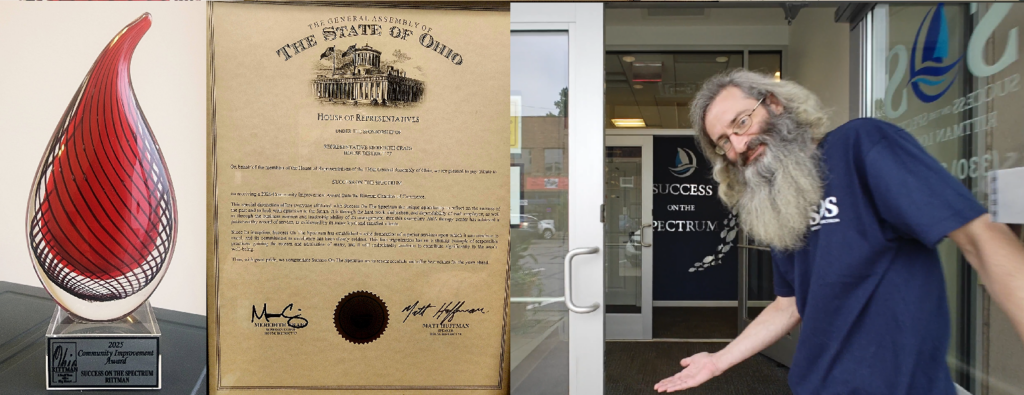
Success On The Spectrum operates at the intersection of healthcare demand, structured franchising, and community impact.
Owners are actively involved in operations, team management, and performance.
The model supports workflow management, staffing systems, scheduling, and billing processes.
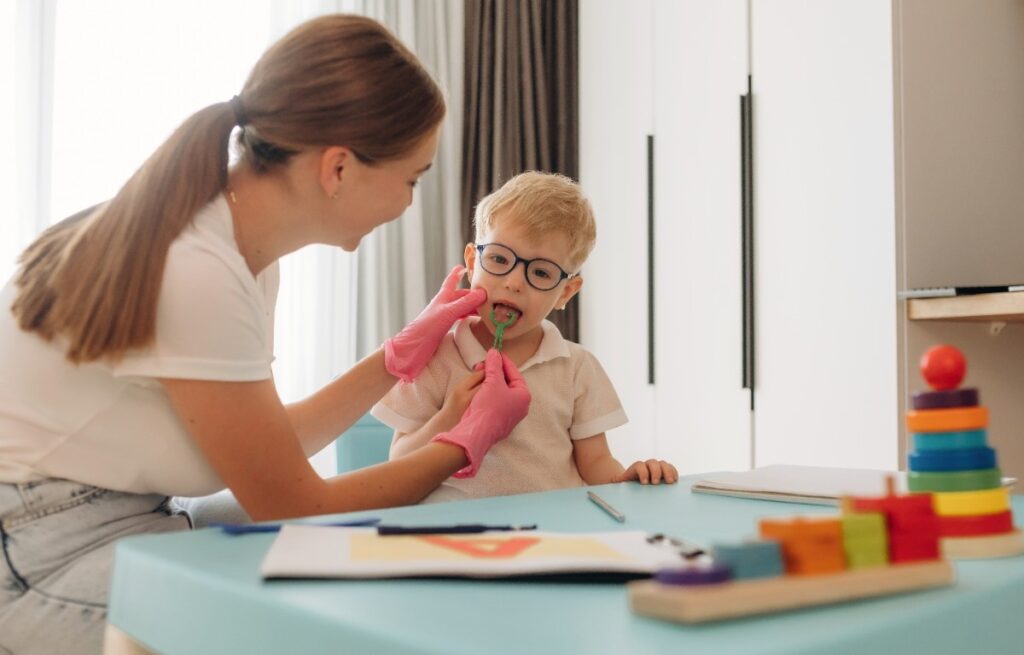
The goal is consistent and responsible growth, improving access to autism therapy while maintaining care standards.
The franchise provides systems and guidance, while owners remain accountable for execution.
The definition of a strong business is evolving. It is no longer just about speed or short-term growth.
It is about:
Entrepreneurs are now asking: what system do I want to operate within?
The shift in entrepreneurship is not about abandoning profit. It is about building something that holds value over time.
Mission-driven franchises provide a structured path to do that—combining ownership, stability, and purpose within a system designed for long-term sustainability.
A business model focused on solving real-world problems while operating within a structured, scalable system.
They offer reduced risk, proven systems, and alignment with purpose-driven entrepreneurship.
They operate in essential service categories, making demand more consistent, though success depends on execution.
No. Owners manage operations while licensed professionals handle clinical care.
It combines structured systems, hands-on ownership, and a focus on expanding access to autism therapy.

Nichole Daher is an American entrepreneur, book author, autism advocate, and founder of Success On The Spectrum (SOS)-the first autism treatment franchise in the United States-known for its parent viewing rooms and quality-driven ABA services. She currently serves as CEO of SOS Franchising, where she provides support, resources, and opportunities for entrepreneurs to open their own Success On The Spectrum autism centers.